Evolution of Art Supplies – Short Introduction
Art has been an essential part of human life since time immemorial. It has served as a means of self-expression, communication, and documentation of cultural history. At the heart of this creative endeavor lies the evolution of paint, a remarkable journey that traces the progression of art materials from primitive to sophisticated.
The evolution of paint is an incredibly fascinating subject, interwoven with the story of human civilization itself. From the humble origins of cave paintings to the advanced digital art of the modern day, every stage of this journey has been marked by the development of new materials and techniques that have opened up fresh possibilities for artistic expression.
This article will delve deep into the evolution of paint, exploring its origins, tracing its trajectory through time, and examining its profound impact on the world of art. It’s a story of invention and innovation, driven by the innate human desire to create and communicate, and it’s a story that’s still being written today.
Understanding Art Materials: From Cave Paintings to Modern Day
The story of art materials begins with the earliest known works of art, the cave paintings created by prehistoric humans. These primitive artists used what they had at hand: raw materials like earth, charcoal, and animal fats to create their paints. The evolution of paint, then, is rooted in the elemental resources of the earth itself.
As civilizations advanced, so too did the art materials they used. The Egyptians developed new pigments, the Greeks discovered how to grind minerals into fine powders for a smoother application, and the Romans invented lead-based paints. Each innovation brought with it a shift in the possibilities of what could be achieved artistically.
In the modern day, the evolution of paint has led us to a time of unprecedented variety and sophistication in art materials. From oil paints and acrylics to digital painting tools and beyond, the range of options available to artists today is truly staggering. Yet, despite these advancements, the spirit of innovation and creativity that drove the earliest artists remains at the heart of the artistic process
The Origin of Art: When and Where Does Paint Come From?
The origins of paint are as old as human civilization itself. The earliest known use of paint dates back around 40,000 years, to the prehistoric cave paintings discovered in Indonesia and Europe. These primitive paints were made from natural pigments like red and yellow ochre, mixed with water, animal fat, or plant sap to create a paste.
As human societies developed and expanded, so did the use of paint. The ancient Egyptians, for example, developed a range of pigments using different minerals and plants. They used these to create elaborate wall paintings and decorations, many of which have survived to this day.
The invention of oil paint, a major turning point in the history of painting, occurred in Europe during the middle ages. This new medium, which used oil as a binder, allowed for greater flexibility and depth of color than ever before. It revolutionized the art world and set the stage for the Renaissance, a period of unprecedented artistic achievement.
Prehistoric Art Supplies: Before Metal Tipped Pens, Artists Used What Types of Pens?
Before the invention of metal tipped pens, artists had to make do with what was available in their environment. Early humans used sticks, bones, and feathers as rudimentary pens. They would dip these tools into their homemade paints and then apply them to cave walls or other surfaces.
The ancient Egyptians took things a step further, inventing the brush by tying reeds together and fraying the end to create bristles. They also used reed pens, which they dipped in ink made from soot or other pigments mixed with water.
In ancient Rome and Greece, metal styluses were used for writing, but brushes made from animal hair were the tool of choice for painters. The invention of the quill pen in the middle ages brought a new level of precision and control to both writing and drawing, paving the way for the detailed works of art produced during the Renaissance.
A Timeline of Art History: The Evolution of Paint and Brushes
The history of paint and brushes is a timeline that mirrors the development of human civilization. From the simple tools and materials of prehistoric times to the advanced technology of the modern era, each stage of this evolution has been marked by significant breakthroughs and innovations.
The invention of the brush by the ancient Egyptians was a game-changer, allowing for greater precision and control in the application of paint. The development of oil paint in the middle ages opened up new possibilities for depth and realism in painting, setting the stage for the artistic achievements of the Renaissance.
The industrial revolution brought about the mass production of art supplies, making them more accessible and affordable than ever before. This democratization of art materials played a key role in the explosion of creativity that marked the modern art movement.
In the digital age, the evolution of paint and brushes has taken a technological turn, with digital painting tools offering artists a whole new world of possibilities. Yet, despite the many changes and advancements, the fundamental essence of painting – the act of applying pigment to a surface to create an image – remains unchanged.
The State of the Art Origin: Tracing the History of Painting
The history of painting is a rich and varied tapestry, woven from the threads of countless cultures and civilizations. From the cave paintings of prehistoric humans to the masterpieces of the Renaissance, and from the bold innovations of the modern art movement to the digital masterpieces of today, each chapter in this story has been shaped by the evolution of paint.
The origins of painting can be traced back to the simple act of applying pigment to a surface, a practice that dates back tens of thousands of years. The development of new pigments and binders, the invention of the brush, and the discovery of oil paint are all key milestones in this journey.
In tracing the history of painting, one can see how the evolution of paint has influenced the styles and techniques of different eras. The rich, vibrant colors of Renaissance paintings, for example, were made possible by the invention of oil paint. The bold, expressive strokes of the impressionists were facilitated by the development of portable paint tubes, which allowed artists to paint en plein air.
Key Players in the Evolution of Paint: Who Invented Paint and Painting?
The evolution of paint is a story of many contributors, each adding their own unique touch to the unfolding narrative. From the prehistoric humans who first mixed pigments with binders to create paint, to the ancient Egyptians who invented the brush, to the European artisans who discovered oil paint, each of these pioneers played a key role in shaping the world of art as we know it today.
One of the most influential figures in the history of painting is Jan van Eyck, a Flemish painter of the early 15th century who is often credited with the invention of oil paint. While it’s likely that oil paint was actually in use before van Eyck’s time, his innovative use of the medium set a new standard for depth, detail, and realism in painting.
In the modern era, the evolution of paint has been driven by a combination of artistic innovation and technological advancement. From the invention of synthetic pigments and binders, to the development of acrylic paints, to the creation of digital painting tools, the story of paint is a story of constant evolution and progress.
Drawings of Art Supplies: A Visual Journey Through Time
Art supplies have come a long way since the days of prehistoric cave paintings. The evolution of these tools can be traced through drawings and paintings that depict the materials and techniques of different eras.
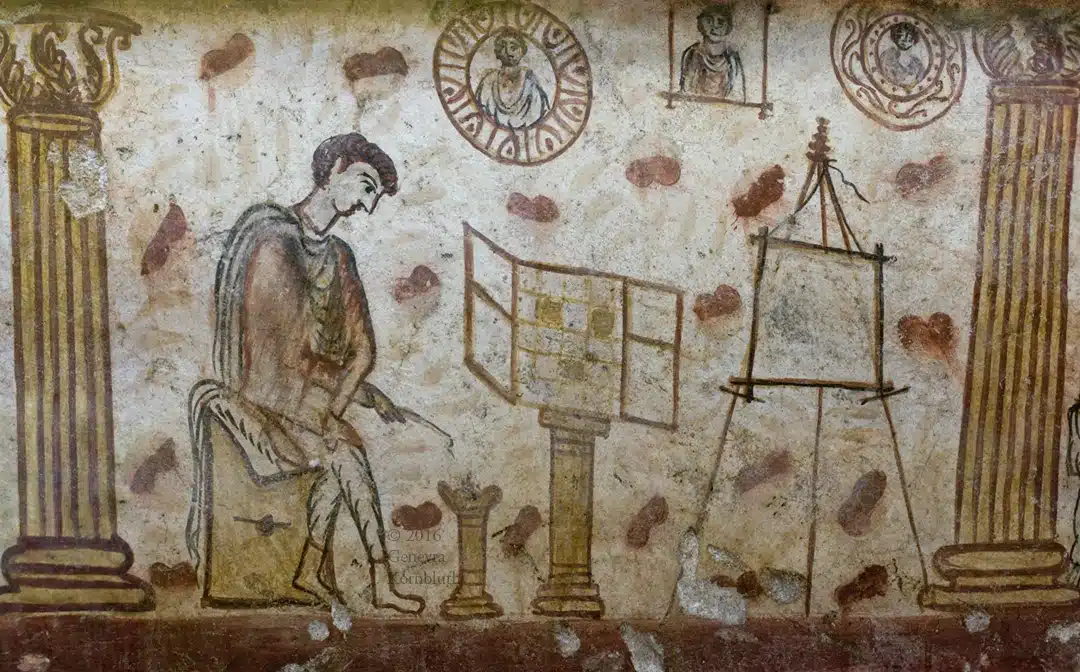
Drawings of art supplies from ancient Egypt, for example, show the use of reed brushes and homemade pigments. Medieval drawings depict the use of quill pens and the newly invented oil paint. Renaissance paintings often include detailed depictions of the artist’s tools, showcasing the sophistication of the brushes and pigments of the time.
In the modern era, drawings of art supplies are often a reflection of the artist’s personal style and preferences. From the traditional materials of oil paint and brushes to the digital tools of the 21st century, these drawings serve as a visual record of the ongoing evolution of paint and art supplies.
The Influence of Paint Evolution on the Types of Art Supplies
The evolution of paint has had a profound impact on the types of art supplies available to artists. Each new development in paint technology has brought with it a shift in the tools and materials used for artistic expression.
The invention of the brush, for example, allowed for a greater level of control and precision in the application of paint. The development of oil paint opened up new possibilities for depth and realism in painting. The mass production of art supplies during the industrial revolution made these materials more accessible and affordable, sparking a wave of creativity and experimentation.
In the digital age, the evolution of paint has taken a technological turn, with digital painting tools offering artists a whole new world of possibilities. These tools allow for unprecedented levels of control and precision, as well as the ability to work with a virtually unlimited palette of colors.
Modern Day Art Supplies: The Transformation of Paints and Brushes
The evolution of paint has brought us to a time of unprecedented variety and sophistication in art supplies. Modern day artists have a wealth of materials at their disposal, from traditional oil paints and brushes to digital painting tools.
Oil paints, acrylics, watercolors, pastels, and more are available in a wide range of colors and qualities. Brushes come in a variety of sizes and shapes, allowing artists to achieve a wide range of effects. And digital painting tools offer a level of control and precision that was unthinkable in earlier times.
Yet, despite the many changes and advancements, the fundamental essence of painting – the act of applying pigment to a surface to create an image – remains unchanged. Whether working with traditional materials or digital tools, the artist’s goal is the same: to create a work of art that communicates a message, evokes an emotion, or captures a moment in time.
The Future of Paint in Art Supplies
As we look to the future, the evolution of paint promises to continue, driven by technological advancements and the ever-evolving creativity of artists. New materials and techniques are constantly being developed, offering artists new ways to express their vision and push the boundaries of what is possible in art.
Digital painting tools, for example, are becoming increasingly sophisticated, offering artists a level of control and precision that was unthinkable in earlier times. And as technology continues to advance, who knows what new innovations lie ahead?
While it’s impossible to predict exactly what the future holds, one thing is certain: the evolution of paint will continue to shape the world of art, opening up new possibilities for creativity and expression. As artists continue to explore these possibilities, we can look forward to a future of art that is as vibrant, diverse, and innovative as the human imagination itself.
Conclusion: Reflecting on the Colorful Journey of Paint in Art Supplies
The journey of paint in art supplies has been a colorful one, marked by invention, innovation, and the constant push for progress. From the humble beginnings of cave paintings to the sophisticated art of the modern day, the evolution of paint has shaped the course of art history, influencing the styles, techniques, and materials of each era.
Looking back on this journey, we can see how far we’ve come, and looking forward, we can see how far we have yet to go. The evolution of paint is a story that’s still being written, a story of human creativity and the desire to express and communicate through the medium of art.
So as we reflect on the colorful journey of paint in art supplies, let’s celebrate the spirit of creativity and innovation that has driven this evolution, and look forward to the new chapters that are yet to be written.
Citations:
[1] https://www.earthdate.org/episodes/the-colorful-history-of-paint
[2] https://mymodernmet.com/history-of-paint/
[3] https://burnaway.org/magazine/a-history-of-paint-part-one/
[4] https://lobopopart.com.br/en/the-history-of-painting/
[5] https://artsandculture.google.com/story/a-colorful-history-of-paints-and-pigments/DQJSps9LN6ctLQ
[6] https://en.wikipedia.org/wiki/History_of_painting
[7] http://www.historyofpencils.com/writing-instruments-history/history-of-writing-implements/
[8] http://www.historyofpencils.com/writing-instruments-history/
[9] https://www.thoughtco.com/brief-history-of-writing-4072560
[10] https://www.ergocanada.com/products/other/history_of_the_pen/pen_history.html
[11] https://en.wikipedia.org/wiki/Writing_implement
[12] https://www.brighthubeducation.com/history-homework-help/123138-stylus-quill-and-pen-short-history-on-writing-instruments/
[13] https://www.unwindanddesign.org/post/all-about-paint-brushes-their-history
[14] https://en.wikipedia.org/wiki/Paintbrush
[15] https://www.lineo-pinsel.eu/en/2020/08/13/the-history-of-making-paint-brushes/
[16] https://www.pranjalarts.com/blog/history-of-paint-brushes
[17] https://historum.com/t/what-did-people-paint-with-before-paintbrushes.184966/
[18] https://primetimepaint.ca/blogs/news/a-brief-history-of-the-paintbrush
[19] https://www.portraitflip.com/blog/history-of-painting/
[20] https://www.earthdate.org/episodes/the-colorful-history-of-paint
[21] https://study.com/academy/lesson/what-is-painting-definition-evolution-major-artists.html
[22] https://artsandculture.google.com/story/a-colorful-history-of-paints-and-pigments/DQJSps9LN6ctLQ
[23] https://www.britannica.com/list/art-history-the-origins-of-7-of-your-favorite-art-supplies
[24] https://www.pinotspalette.com/naperville/blog/creative-life/pinotspalettenaperville-what-is-the-origin-of-art-supplies
[25] https://www.kingsframingandartgallery.com/blog/post/professional-artists-art-supplies
[26] https://renminds.org/2023/05/17/an-historical-timeline-of-art-materials-throughout-history-an-isms-overview/
[27] http://art-now-and-then.blogspot.com/2017/11/ancient-art-supplies-part-1.html?m=1
[28] https://theartdungeon.blog/2020/08/30/where-did-your-art-supplies-come-from/
[29] https://www.leanore.net/post/a-summary-of-the-evolution-of-art-supplies
[30] https://www.earthdate.org/episodes/the-colorful-history-of-paint
[31] https://www.metmuseum.org/toah/hd/mome/hd_mome.htm
[32] https://www.artsy.net/article/the-art-genome-project-a-brief-history-of-color-in-art