No products in the cart.
How to Transform Your Space with Original Art
Most people think that to create a beautiful and attractive house they have to spend a lot of money. But this is not true. To make making the place better…
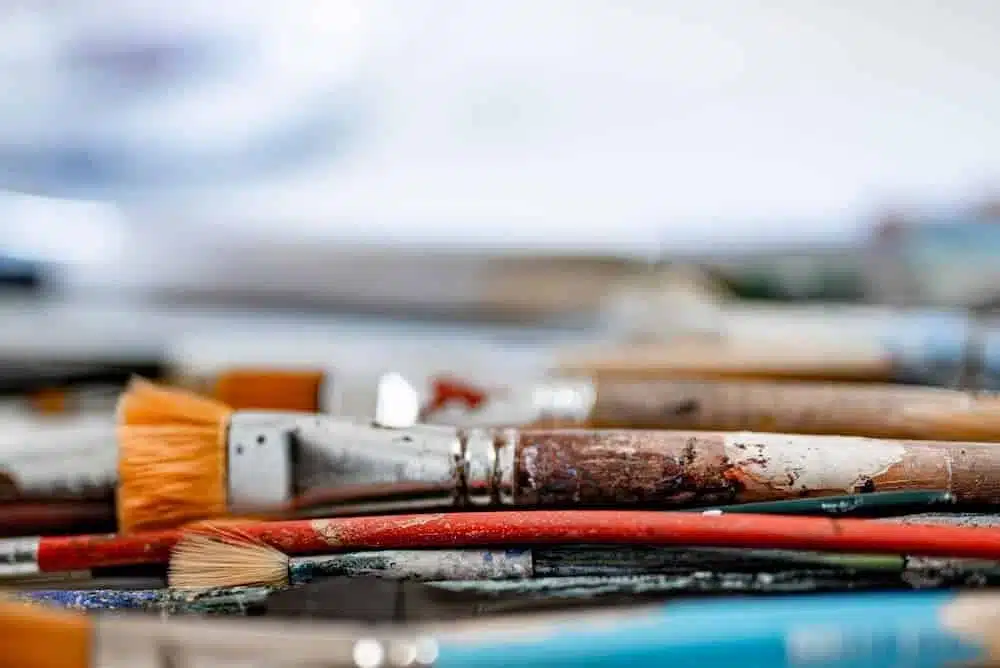
Crafting your own DIY art supplies is not only a creative endeavor but also a rewarding experience that allows you to express your creativity while being environmentally conscious and cost-effective. By making your own paints, brushes, and other materials, you can create unique and personalized art supplies that reflect your artistic vision. In this article, we will explore the joy of DIY art supplies, the benefits they offer, and guide you through the process of creating your own paints, brushes, surfaces, and tools
Crafting your DIY art supplies adds an extra layer of joy to the artistic process. It allows you to infuse your artwork with a personal touch and a sense of resourcefulness. By exploring different materials and techniques, you can experiment and create unique effects that are not easily achievable with store-bought supplies. Moreover, DIY art supplies often have a story behind them, making them even more special and meaningful
DIY art supplies involve creating paints, brushes, surfaces, and tools from natural and accessible materials. This approach not only gives you control over the quality and composition of your supplies but also provides an opportunity to reduce waste and environmental impact. By repurposing and recycling materials, you can contribute to a more sustainable art practice. Additionally, making your own supplies can save you money in the long run, as many materials can be sourced inexpensively or even found in your own home.
Paints are the backbone of any artwork, and making your own paints opens up a world of possibilities. Here are a few methods to create homemade paints:
Creating your own watercolors is a fun and straightforward process. You will need natural pigments, such as ground-up rocks or minerals, gum arabic (a binder), honey (a humectant), and water. Mix the pigments with gum arabic and honey, gradually adding water to achieve the desired consistency. Experiment with different pigments to create a wide range of colors.
Acrylic paints are versatile and can be made at home using white glue, acrylic craft paint, and water. Mix equal parts white glue and acrylic paint, then gradually add water until you reach the desired consistency. This DIY approach allows you to customize the color palette and experiment with different textures.
For a unique and earthy palette, consider making organic earth pigment paints. You will need natural pigments, such as clay or earth powders, a binder like linseed oil or egg yolk, and water. Mix the pigments with the binder and water until you achieve a smooth and creamy consistency. These homemade paints offer a rich and natural color range.
Brushes play a crucial role in creating various textures and effects in your artwork. Instead of relying solely on store-bought brushes, try crafting your own using natural or recycled materials.
One way to create a unique brush is by using natural fibers, such as twigs and plant materials. Find a sturdy twig and attach natural fibers, like grass or leaves, to one end using string. Trim the fibers to your desired brush shape. This DIY brush will add an organic and textured feel to your artwork.
Another option is to repurpose everyday items to make brushes. Take old newspaper or cardboard and cut it into thin strips. Roll the strips tightly and secure them with glue and string. You can adjust the thickness and length of the bristles to suit your artistic needs. This creative approach not only gives new life to discarded materials but also offers a unique brush texture.
Art is not limited to traditional canvases. By making your own surfaces, you can experiment with different textures and dimensions, adding depth and interest to your artwork.
Handmade paper adds a unique touch to your artwork and allows you to customize the texture and thickness. To make your own handmade paper, you will need recycled paper, water, a blender, a screen, and a sponge. Blend the paper with water to create a pulp, strain and spread the pulp onto a screen, press out excess water, and let it dry. The result is a textured paper that adds character to your creations.
Canvas boards are a popular surface for paintings, and you can easily make your own. Start with a piece of sturdy cardboard and apply a layer of gesso (a primer) to create a smooth painting surface. Once dry, stretch fabric over the cardboard and secure it with glue or staples. This DIY approach allows you to customize the size and shape of your canvas boards.
In addition to paints, brushes, and surfaces, creating your own art tools can enhance your artistic experience and provide a personal touch to your artwork.
A palette knife is a versatile tool for applying and manipulating paint. Instead of buying one, repurpose an old plastic card by shaping it into a palette knife. Use sandpaper or a file to create a smooth and functional edge. This DIY approach not only saves money but also allows you to create a palette knife that perfectly suits your artistic style.
An easel provides a sturdy platform for painting and displaying your artwork. Use leftover wood scraps to craft a simple easel. Cut the wood to the desired dimensions, attach the pieces using screws or nails, and drill a hole for adjusting the height of the canvas. This DIY easel is not only practical but also adds a rustic touch to your art studio.
While crafting your own art supplies can be a fun and rewarding experience, it is essential to prioritize safety. Here are some guidelines to follow:
Crafting your own art supplies opens up a world of creativity and resourcefulness. By making your own paints, brushes, surfaces, and tools, you can personalize your artistic practice while being environmentally conscious and cost-effective. The joy of creating with self-made supplies adds an extra layer of satisfaction to the artistic process. We encourage you to embrace your creativity, experiment with different materials, and share your DIY art supply creations with others. If you have any questions or would like to share your experiences, feel free to reach out to us.
Tone of Voice: Informative, encouraging, and empowering. We aim to inspire readers to explore their creativity and embrace the resourcefulness of DIY art supplies.
[1] https://babbledabbledo.com/40-art-materials-you-can-make-at-home/
[2] https://www.greenchildmagazine.com/making-your-own-nature-based-paints/
[3] https://www.wikihow.com/Make-a-Paintbrush