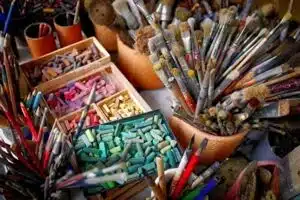
Introduction to Eco-Friendly Art Materials
In recent years, there has been a growing movement within the art world to embrace eco-friendly practices and reduce the environmental impact of artistic creations. Artists and art enthusiasts alike are recognizing the importance of sustainability and taking steps to incorporate eco-friendly art materials into their creative process. This article will delve into the world of eco-friendly art materials, exploring their benefits, different types, and how they are revolutionizing the art world.
The Importance of Sustainability in the Art World
The art world has traditionally been associated with the use of materials that are harmful to the environment. From toxic paints to non-biodegradable materials, the impact of art on the planet has often been overlooked. However, as the global consciousness around sustainability continues to grow, so does the need for sustainable practices in all industries, including art.
By embracing eco-friendly art materials, artists can play a significant role in reducing their carbon footprint and protecting the environment. Sustainable art supplies are made from renewable resources, utilize non-toxic ingredients, and are often produced using environmentally friendly manufacturing processes. This shift towards sustainability not only benefits the planet but also promotes a healthier and more responsible art community.
Benefits of Using Eco-Friendly Art Supplies
Using eco-friendly art supplies offers a range of benefits for both artists and the environment. Firstly, these materials are often created with a focus on non-toxicity, making them safer to use and reducing the risk of health issues for artists. This is particularly important for those who work with paints and other materials that can release harmful fumes or contain chemicals that are harmful when absorbed through the skin.
Furthermore, eco-friendly art supplies are often produced using renewable resources, such as plant-based pigments and recycled materials. By opting for these materials, artists can contribute to the reduction of deforestation and the depletion of natural resources. Additionally, many eco-friendly art supplies are biodegradable or compostable, reducing the amount of waste generated by artistic endeavors.
Types of Eco-Friendly Art Materials – Organic, Natural, and Vegan Options
When it comes to eco-friendly art materials, there are various options available to artists. One popular category is organic art supplies, which are made from natural materials that have been grown without the use of synthetic pesticides or fertilizers. These materials are often derived from plants, such as organic cotton canvases or natural dyes made from plant extracts. Using organic art supplies not only supports sustainable farming practices but also ensures that no harmful chemicals are introduced to the environment through artistic creations.
Another type of eco-friendly art supplies is vegan art supplies, which are free from any animal-derived ingredients or by-products. These materials are suitable for artists who follow a vegan lifestyle or simply prefer to avoid using animal products. Vegan art supplies encompass a wide range of products, including paints made from plant-based pigments, brushes with synthetic bristles, and adhesives that do not contain animal-based glues.
Additionally, natural art supplies are another option for artists seeking sustainable materials. These supplies are made from natural materials that are sourced responsibly and do not harm the environment. Examples include wooden drawing pencils made from sustainably harvested wood, natural beeswax-based sculpting clay, and recycled paper for sketching and painting.
Exploring Aesthetic Art Supplies and Their Impact on the Environment
Art is not only about the final result but also the process and the materials used. Aesthetic art supplies go beyond functionality and focus on the visual appeal of the materials themselves. These supplies are often artistically designed and packaged, adding an extra level of beauty to the artistic experience. However, it is essential to consider the environmental impact of aesthetic art supplies.
Many eco-friendly art brands have recognized the need for sustainability in aesthetic art supplies and have taken steps to reduce their environmental footprint. This includes using recyclable or biodegradable packaging materials, minimizing excess packaging, and incorporating sustainable design principles into their products. By choosing aesthetic art supplies from eco-friendly brands, artists can enjoy the visual appeal of their materials while also supporting sustainable practices.
The State of the Art Origin: Tracing the History of Painting
The history of painting is a rich and varied tapestry, woven from the threads of countless cultures and civilizations. From the cave paintings of prehistoric humans to the masterpieces of the Renaissance, and from the bold innovations of the modern art movement to the digital masterpieces of today, each chapter in this story has been shaped by the evolution of paint.
The origins of painting can be traced back to the simple act of applying pigment to a surface, a practice that dates back tens of thousands of years. The development of new pigments and binders, the invention of the brush, and the discovery of oil paint are all key milestones in this journey.
In tracing the history of painting, one can see how the evolution of paint has influenced the styles and techniques of different eras. The rich, vibrant colors of Renaissance paintings, for example, were made possible by the invention of oil paint. The bold, expressive strokes of the impressionists were facilitated by the development of portable paint tubes, which allowed artists to paint en plein air.
Tips for Finding and Purchasing Sustainable Art Supplies
Finding and purchasing sustainable art supplies can sometimes be a challenge, especially for artists who are accustomed to traditional materials. However, with some research and a few tips, artists can easily incorporate eco-friendly practices into their artistic process.
One helpful tip is to look for certifications or labels that indicate the sustainability of the art supplies. These labels, such as the Forest Stewardship Council (FSC) certification, indicate that the materials used have been responsibly sourced. Additionally, artists can seek out brands and businesses that have a strong commitment to sustainability and offer a wide range of eco-friendly options.
Another approach is to connect with local art communities and organizations that promote eco-friendly practices. These communities often have resources and recommendations for sustainable art supplies, as well as workshops and events focused on eco-friendly art. By networking with like-minded artists, it becomes easier to find and access sustainable art materials.
Eco-Friendly Art Supplies for Different Mediums – Painting, Drawing, Sculpture, etc.
Eco-friendly art supplies are available for artists working in various mediums, including painting, drawing, sculpture, and more. For painters, there are eco-friendly paints made from natural pigments, such as earth and mineral-based paints. These paints offer vibrant colors and can be used in a variety of painting techniques.
For drawing enthusiasts, there are eco-friendly options such as graphite pencils made from sustainably sourced materials, recycled paper sketchbooks, and natural erasers. Sculptors can explore eco-friendly sculpting clays made from plant-based ingredients or recycled materials. By embracing eco-friendly art supplies specific to their medium, artists can create beautiful works of art while minimizing their environmental impact.
Supporting Eco-Friendly Art Brands and Businesses
One of the most impactful ways to promote sustainability in the art world is by supporting eco-friendly art brands and businesses. By purchasing from these companies, artists can send a powerful message that there is a demand for sustainable art materials. This encourages more brands to adopt eco-friendly practices and provides artists with a wider range of options.
Additionally, artists can support local businesses that prioritize sustainability. By shopping locally, artists can reduce the carbon footprint associated with transportation and support the local economy. Many independent art supply stores are now offering eco-friendly options, so artists can find sustainable materials while also contributing to their local creative community.
DIY Eco-Friendly Art Materials and Projects
For artists who enjoy a hands-on approach, creating their own eco-friendly art materials can be a rewarding and sustainable option. There are numerous DIY projects that allow artists to make their own paints, inks, and other art supplies using natural and non-toxic ingredients. This not only reduces the environmental impact but also allows for a greater level of customization and experimentation in the artistic process.
Some popular DIY eco-friendly art projects include making natural dyes from plant extracts, creating homemade paper from recycled materials, and mixing pigments with natural binders to make personalized paints. These projects can be a fun and educational way for artists to connect with their materials and explore their creativity while promoting sustainability.
Conclusion: Embracing Eco-Friendly Practices in the Art World
As the awareness of environmental issues continues to grow, it is crucial for the art world to embrace eco-friendly practices. By using sustainable art materials, artists can reduce their impact on the environment while creating beautiful works of art. From organic and natural supplies to vegan and aesthetic options, there is a wide range of eco-friendly art materials available to artists.
By supporting eco-friendly art brands and businesses, artists can contribute to a more sustainable art community. Additionally, exploring DIY projects allows artists to create their own eco-friendly art supplies and personalize their creative process. By embracing eco-friendly practices, the art world can revolutionize its approach to materials and inspire a more sustainable future.
Are you ready to revolutionize your art practice? Embrace eco-friendly art materials today and join the movement towards a more sustainable art world. Explore the wide range of options available, support eco-friendly brands, and consider DIY projects to create your own personalized eco-friendly art supplies. Together, we can make a difference and create art that not only inspires but also protects our planet.
Citations:
[1] https://shrinkthatfootprint.com/7-eco-friendly-art-supplies-to-sustain-the-environment/
[2] https://www.artistsnetwork.com/art-business/how-to-be-an-eco-friendly-artist/
[3] https://earthfriendlytips.com/best-eco-friendly-art-supplies-for-kids-and-adults/
[4] https://theartyteacher.com/eco-friendly-art-supplies/
[5] https://www.linkedin.com/pulse/sustainable-art-environmentally-friendly-practices-shrivastava-phd
[6] https://www.linkedin.com/advice/1/what-benefits-challenges-using-recycled-1e
[7] Â https://www.artsy.net/article/the-art-genome-project-a-brief-history-of-color-in-art
[8] https://innovationorigins.com/en/revolutionizing-the-world-of-art-from-non-toxic-cleaners-to-smart-paint/
[9] https://forcreativegirls.com/environmentally-sustainable-creativity-embracing-eco-friendly-practices-in-the-arts/
[10] https://www.sustainablejungle.com/sustainable-living/eco-friendly-art-supplies/
[11] https://sustainability.yale.edu/news/how-artists-are-incorporating-sustainability-their-work
[12] https://energy5.com/empowering-creativity-how-solar-energy-is-revolutionizing-new-york-art-scene
[13] https://ecofriend.org/6-pieces-of-sustainable-art-for-inspiration-and-awesomeness/
[14] https://www.kingsframingandartgallery.com/sustainable-art-supplies
[15] https://vegnews.com/home-lifestyle/vegan-cruelty-free-art-supplies
[16] https://www.worldofvegan.com/vegan-art-supplies/
[17] https://doublecheckvegan.com/vegan-art-supplies/
[18] https://wiser.eco/best-vegan-art-supplies-brands/
[19] https://sustaintheart.com/best-sustainable-art-supplies/
[20] https://shrinkthatfootprint.com/7-eco-friendly-art-supplies-to-sustain-the-environment/
[21] https://sunflowerandivy.com.au/where-to-buy-eco-art-materials/
[22] https://www.greenmatters.com/p/low-waste-art-supplies
[23] https://www.sustainably-chic.com/blog/eco-friendly-craft-supplies